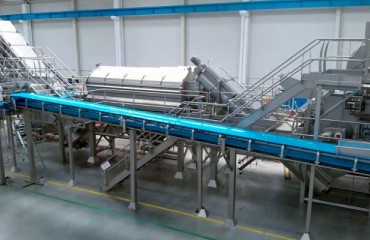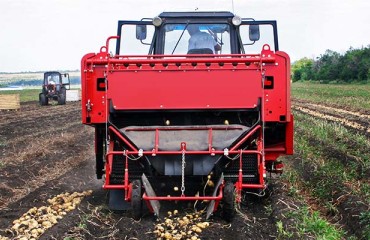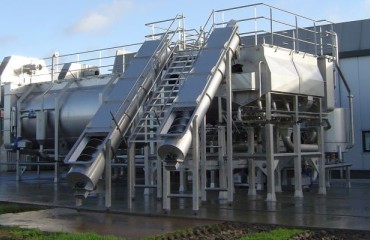
Wastewater Composition is Determined by the Processing Method Used
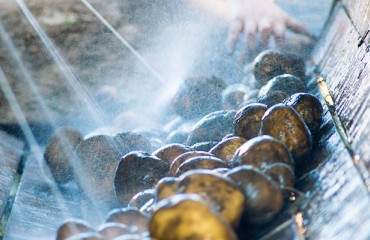
Water usage has increased dramatically along with the explosive growth of the potato processing business during the past 20 years. An estimated 1.3X10⁹ kg of waste are produced annually by the U.S. potato industry alone. The water used in washing, peeling, and other processing steps for potatoes results in significant amounts of wastewater and the organic waste being produced.
The production of enormous amounts of organic waste by the potato industry is widely recognized. However, the removal of organic elements from industrial effluents frequently modifies several other hazardous waste properties. Wastewater from the potato processing facilities must be adequately treated to reduce any negative effects on the environment.
The demand for better-finished products is growing at the same time as the need to improve the quality of water resources. To comply with national water quality standards, these regulations have forced the potato sector to develop strategies for the efficient removal of settleable and dissolved solids from potato processing effluent. The use of recovered wastes as byproducts and waste reduction have also been the focus of research and development.
The wastewater generated by the potato processing industry has high levels of chemical oxygen demand (COD), total suspended solids (TSS), and Total Kjeldahl Nitrogen (TKN), as well as high levels of biodegradable substances like starch and proteins. As a result, the industry may pose serious water pollution issues.
A waste load comparable to that of a city of 200,000 people can be produced by an average-sized potato processing plant that produces French fries and dried potatoes. Approximately 13,600 tons of potatoes need to be processed, which uses about 870,6m liters of water. Every kilogram of potatoes produced results in around 17 liters of waste. Up to 10,000 mg/L of COD are detectable in raw potato processing wastewater. Also about 9,700 and 9,500 mg/liter for total suspended solids and volatile suspended solids, respectively can be found.
The Processing Method Determines the Wastewater Composition
To a considerable part, the processing method determines the wastewater composition from a potato processing plant. Generally, the following procedures are used when preparing potatoes: washing the raw potatoes; peeling, which involves washing to remove softened tissue; trimming to remove damaged areas; shape, washing, and separating; optional heat treatment; last processing or preservation; and packaging.
The components of the waste stream resulting from potato processing depend on the type of potatoes utilized. Dirt, caustic, fat, cleaning, and preservative chemicals are a few of the foreign substances that could be present in the potato.
Typically, several waste streams are mixed to form effluent before being discharged from the potato processing plant. Because different processes produce different amounts of wastewater using different processing techniques, it is challenging to generalize these amounts. Numerous studies and references in this area demonstrate the considerable variances in water usage, peeling losses, and waste flow reporting techniques.
You can read the rest of this article in your complimentary e-copy of Issue 4 of Potato Business Dossier 2022, which you can access by clicking here.