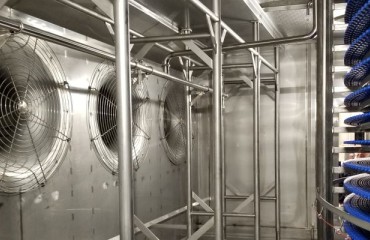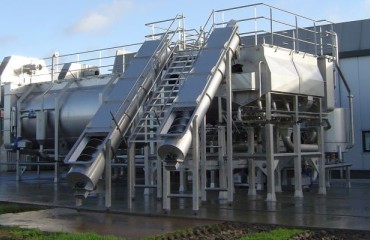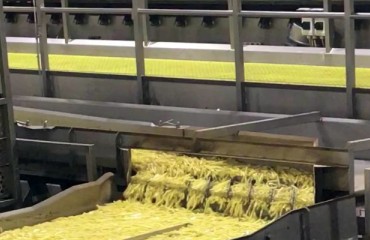
Turnkey Systems are Customized by Adjusting the Layout of the Process Line
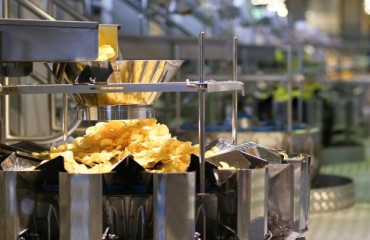
A turnkey potato processing solution is an intricate undertaking. Every installation is unique. The equipment and technology used for the application must take into account all of the organization's procedures, resources, and systems.
To reach a specified capacity or certain process specifications, turnkey systems are customized by adjusting the layout of the process line, changing the size of certain machines, and, when necessary, finding alternative machines.
“Flexibility and customization are the backbones of our success, as is taking the time to understand the customer’s requirements and having the experience, and know-how, to propose and deliver the most optimal setup,” Mick Walsh, Chief Engineer, Heat and Control, told Potato Business Digital.
The potato sector can benefit from turnkey solutions from a qualified provider in several ways, including complete compatibility of all line components for effective production, the removal of bottlenecks for maximum up-time, and streamlined training and maintenance for user-friendliness.
“The concept has historically meant that equipment, including the design, manufacturing, commissioning, and installation, is operational as soon as the ‘key’ is turned. However, as the food processing and packaging sectors become increasingly automated, it is now more intricate than simply turning a key. Many ‘plug and play’ systems have been customized and extensively fine-tuned before they reach the line, to ensure the final set-up meets manufacturers’ exact requirements. Although the definition of turnkey solutions may have evolved, they remain a valuable way for potato manufacturers to optimize production lines,” Eric Geling, Global Sales Manager, Processing, tna Solutions explained.
Communication Between Turnkey Solutions’ Each Section is Essential
Increasing efficiency is one of the most important ways that turnkey solutions may provide substantial value. A larger number of components must be incorporated into the same network as production lines become more complex. Communication is crucial between each segment. If each section runs independently, there is a risk of interrupting product flow even when the same equipment manufacturer supplies all systems.
Equipment from a single source supplier is often developed, put together, and installed so that each component interacts effectively with the others, enabling processes to run as effectively as possible.
You can read the rest of this article in your complimentary e-copy of Issue 4 of Potato Business Digital 2022 magazine, which you can access by clicking here.