Growing Trends for the Frozen Potato Market
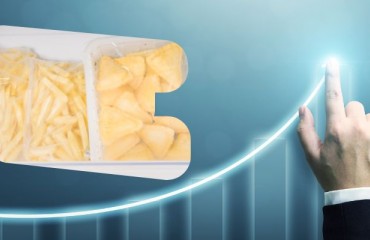
The Insight Partners' recent research study executive summary, “Frozen Potato Market to Forecast 2030 - COVID-19 Impact and Global Analysis - by Product Type and End User,” predicts that the market will grow from USD65,06bn in 2022 to USD92,63bn by 2030, with a CAGR of 4.6% from 2023 to 2030.
The frozen potato market is divided into French fries, hash browns, shaped, mashed, battered/cooked, topped/stuffed, and others based on the type of product. The demand for frozen potatoes has expanded as a result of the growth and expansion of quick-service restaurants (QSRs) and fast-food outlets.
“Products such as frozen French fries, hash browns, and shaped and stuffed/topped potatoes are mostly demanded by the QSRs because frozen potato requires less preparation time and is easy to use. This helps the QSRs to provide consumers with their food quickly, which is the main strength of the QSRs. Thus, the expansion of fast-food restaurants and QSRs is significantly driving the frozen potato market growth,” the study’s executive summary reveals.
The COVID-19 pandemic harmed several industries, notably the food and beverage sector. The supply chain was severely disrupted as a result of the national lockdown and border restrictions. The lack of manpower and raw materials made it difficult for food processors to operate in different nations. However, the COVID-19 pandemic caused a significant shift in the consumption trends for frozen foods. Due to severe travel restrictions, people were required to stay at home. The corporate sector also announced work-from-home mandates.
“Owing to all these factors, people preferred in-home consumption. This factor increased the demand for frozen potatoes from the retail sector, which had a positive impact on the overall frozen potato market growth. However, cafes, restaurants, quick service restaurants, and takeaway services were mandated to remain shut, leading to a decline in the demand for various snacking and breakfast items, including frozen potato products,” the authors mentioned.
The sales of the frozen potato producers recovered once government restrictions were eased. Additionally, once the food service providers began operating at full capacity, the demand for snack foods rose, which benefited the growth of the frozen potato sector.