Potatoes NZ Kick Starts Emission Project
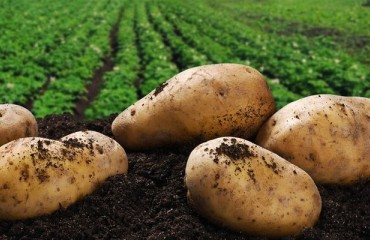
Potatoes New Zealand has begun work on its Emissions Project and Taskforce, which was launched earlier this year.
The overall aim of the scheme include protecting the ability to grow, process & export potatoes, whilst meeting environmental standards and maintaining international competitiveness. What’s more, through this initiative, Potatoes NZ aims to ensure industry access to land, water and nutrients through national, regional and farm programs in order to achieve industry growth targets.
More than twenty expert growers, agronomists, researchers, advisors, as well as the Potato NZ team recently met to discuss the increasing requirement for the agricultural industry to understand and predict their environmental emissions, how best to meet the requirements and the methods required to reach the Project’s aim.
The Potato NZ Emissions Projects has been in the planning stages for some time and several smaller projects in recent years have been building towards this sustainable industry initiative.
The multi-workstream nationwide project will analyze nitrate uptake and nutrient leaching, calculate carbon emissions, test Teralytic soil probe data efficacy, validate Overseer (online software that connects farmers to science) predictions for potato crops in multiple regions throughout New Zealand and develop tools for nitrate migration.
Potatoes NZ anticipates the outcome will be a greater understanding of how much nitrate and nutrients potatoes take-up and ow much they possibly leach, whilst also clarifying the most effective means of measuring and mitigating this.
The industry body will then be able to provide growers with tools to easily manage and meet requirements.
What Does it Mean for Growers?
Growers daily farm management will follow the same process as it always has. The recording of nutrient application volumes (completed or planned) is the data which needs to be recorded. All other data will be gathered and analyzed by the workstreams assigned within the Project Taskforce.
By the end of the project growers will have intelligent tools to easily manage their farms in an environmentally sustainable way.