All North American Frito-Lay Chips Come from Sustainably-sourced Spuds - PepsiCo

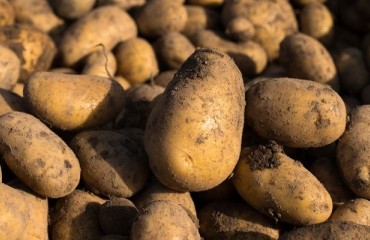
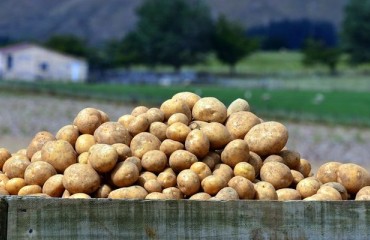
100% of the chips in its North American Frito-Lay portfolio including Lay's and Ruffles were made from sustainably-sourced North American potatoes, PepsiCo's most recent Sustainability Report for 2018 has revealed. What's more, it was revealed that by the end of 2018, more than half of PepsiCo's direct farmer-sourced agricultural raw materials such as potatoes were verified as sustainably sourced through its Sustainable Farming Program.
The report also highlighted additional priority areas, where the company believes it can best make a contribution to building a more sustainable system.
Water - Working to be an even more responsible steward of water across its value chain, PepsiCo is focused on improving water-use efficiency in high water-risk farming and manufacturing operations and on replenishing 100% of the water it consumes in manufacturing in high water-risk areas by 2025. The company focuses on using its scale and expertise to advocate for policies and practices that protect local watersheds. Additionally, in 2018, the PepsiCo Foundation helped provide safe water access to over 6 million people—boosting the total number of beneficiaries to 22 million since 2006.
Products - PepsiCo continues to improve the choices it offers consumers by reducing added sugars, sodium and saturated fat, and expanding its product portfolio with new innovations and acquisitions based on nutritious ingredients.
Climate - PepsiCo has set a goal to reduce absolute greenhouse gas emissions across its value chain by 20% by 2030, from a 2015 baseline. In 2018, PepsiCo reduced Scope 3 emissions (outside the company's direct operations, all indirect emissions) by approximately 2.2 million metric tons, in addition to decreasing Scope 1 (direct emissions from owned or controlled sources) and Scope 2 (indirect emissions from electricity purchased and used by the organization) emissions by 6.4% within its direct operations. From promoting climate-friendly agricultural practices and expanding its fleet of low-carbon vehicles, to expanding its use of renewable energy in its manufacturing operations, PepsiCo is driving down emissions throughout its value chain to mitigate the impact of climate change.
People - As part of its ongoing commitment to increase the earnings potential of women around the world, PepsiCo and the PepsiCo Foundation have invested USD27.3m since 2016 to support initiatives that benefit women in communities where it operates. Women currently comprise 40% of PepsiCo managers globally.