PepsiCo Intensifies Sustainability Efforts in Central America

PepsiCo has brought its Sustainable Agriculture Program to Latin America, where, in addition to providing raw material for its processing operations, it is contributing to the development of a 4.0 agriculture model, writes El Economista.
Its objective includes reducing the overall carbon footprint of the value chain, by financing the technological modernization of its farmers and training them in storage, irrigation, nutrition practices and more. According to the company, half the agricultural raw material and 100% of the potatoes that PepsiCo received in 2018, were certified as coming from sustainable sources.
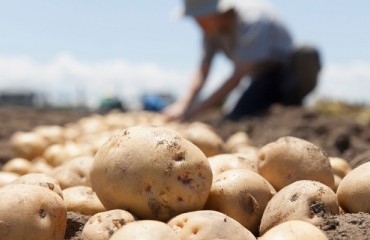
The Mexican company AgroJaba, located in the state of Nuevo Leon, signed a contract with the multinational to provide its potatoes, but also to learn a new way of doing agriculture. Its owner, Francisco Chapa, is one of PepsiCo’s twenty potato suppliers in Mexico and has gone from producing 800 tons per year to about 27,000 tons.
PepsiCo has a production plant in the city of Saltillo, in the state of Coahuila. The plant, which is said to operate 23 hours a day, processes 2,300 kilos of potatoes per hour, all locally produced.
Like the rest of PepsiCo plants, Saltillo has water treatment facilities that have allowed it to reduce its use from 10 liters of waters to 2 liters of water per kilo produced, and uses by-products such as sludge, which become compost, or starch, which, according to its food-grade, is reused in cookies or glue.
The report concludes by highlighting that PepsiCo’s goal is that by 2020 all of the agricultural raw materials it uses are certified as sustainable and, by 2025, it aims to reduce its water use by 15% in risk areas.