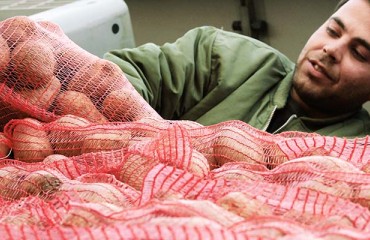
Processor Returns Part of 2019 Potato Crop to Farmers
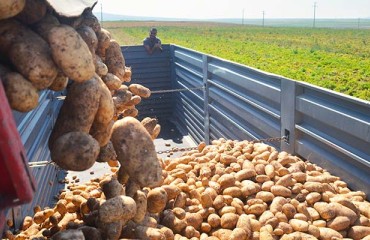
Processor Lamb Weston has returned part of the 2019 potato crop to Northwest farmers. The company doesn’t have the ability to run all of the 2019 potatoes remaining in storage, said Dale Lathim, executive director of Potato Growers of Washington for CapitalPress.com.
The voluntary organization negotiates pre-season contracts on behalf of 65 member growers representing more than 80% of the contracted potato acres for frozen products in the state.
Like make other processors that cater to the foodservice sector, Lamb Weston has seen less demand for its French fries and other frozen potato products during the global COVID-19 pandemic. In its third quarter report, Lamb Weston, a publicly traded company, withdrew its financial outlook for the fiscal year.
“At this time, despite only two months remaining in our fiscal fourth quarter, we are unable to reasonably forecast frozen potato product demand because of the pandemic’s unpredictable near-term effect on restaurant traffic in North America and our key international markets,” said Tom Werner, Lamb Weston president and CEO at the time.
About 30% of the potatoes still in growers’ storage have been returned to farmers, Lathim said. He said that’s about four million hundredweight of potatoes in Washington.
About one million hundredweight were returned in Idaho and 300,000 hundredweight in Alberta, Canada, a 20% reduction in those areas, Lathim said.
The three other major processing companies — the J.R. Simplot Co., McCain Foods and Cavendish Farms — aren’t likely to follow suit, but they also won’t be able to absorb the excess potatoes, Lathim said.
“Lamb Weston is the biggest and strongest processor in the Pacific Northwest,” he said. “If they don’t have any home for the potatoes to go to, then nobody else would, either.”
Farmers received an advance of USD5.25 per hundredweight and Lamb Weston will let growers keep that, Lathim said.
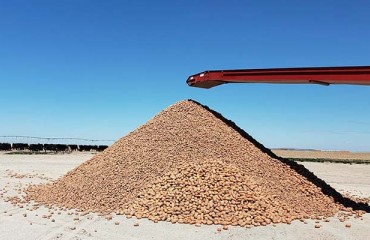
Growers must now dispose of the potatoes. Most markets are already full, so the potatoes will go to cattle feed or be ground up and used on farms for their nutrient value.
“I don’t see many of them going to into human food channels, because those are already plugged,” Lathim said.
Chris Voigt, executive director of the Washington Potato Commission, said the industry is requesting USD300m in assistance from the USDA on top of the recently made USD50m purchase of potatoes and potato products under its Section 32 program to support farmers.
Industry predictions indicate all of the 2020 crop will be used up and there shouldn’t be as large a carryover next summer to impact the 2021 crop.