ADHB: Store Cleaning Guidelines for CIPC Residue Compliance
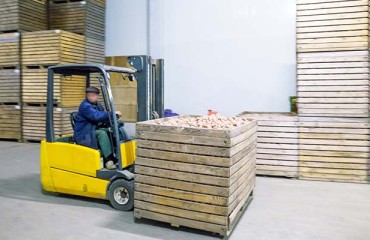
The 2020 storage season is the first where store managers in Europe cannot apply Chlorpropham (CIPC) in store. However, in order to reduce CIPC levels left over from previous applications, and meet any forthcoming temporary maximum residue level (tMRL) for future crops, managers must thoroughly clean their stores.
The tMRL, the level of CIPC allowed on tubers sent to market, has not yet been announced. CIPC approval holders have requested a tMRL, and while the European Commission has been investigating this - they have not yet announced a decision.
To help store managers across the continent comply with a future tMRL, the European Potato Value Chain, a group of industry bodies that includes AHDB, has produced guidelines for reducing CIPC in potato stores.
Key principles
- All stores with a history of CIPC use must be cleaned as soon as the 2019 crop has been unloaded.
- Cleaning activities must integrate safety parameters: always use personal protection equipment (PPE) and pay attention to safety when working at height.
- Keep written records and pictures of what has been cleaned, how and when. The buyer of the potatoes may request a record of cleaning activities.
- Preferably use dry cleaning methods and in any case start with them. Only if no suitable dry-cleaning method is available, or not sufficient for complete cleaning, should water be used. When using complementary wet cleaning, an acceptable method of collecting water and disposing of it appropriately must be used to avoid dispersing wastewater into the environment.
- Care should be taken to minimize re-distribution of CIPC. Loose materials should be removed promptly, by vacuuming. Sweeping and brushing generate dust, which risks re-distribution.
- Cleaning must be carried out from top to bottom (i.e. roof to floor).
- CIPC is only slightly volatile. Volatilization will contribute to removal of CIPC, but over longer periods of time. When the store is not in use for potato storage, doors and hatches should be left open to allow for continuous refreshment.
- Underground ducts should also have a constant movement of air after cleaning, either by running fans or by natural draft. Low airspeed is sufficient. Where possible, first remove loose waste material by dry cleaning and then move store hardware (boxes, above ground ducts, etc.) outside so weather action (sun, rain, wind, temperature) can also contribute to CIPC removal. Cleaning efforts should focus in positions of highest contamination, like plenum and fans.