New method to stop potato parasitic worms using fungi
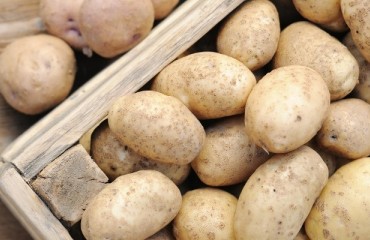
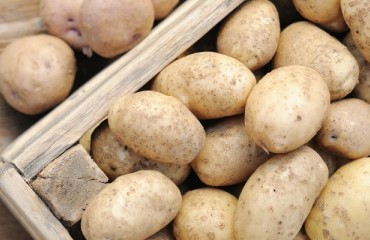
Scientists have developed a new way to stop the parasitic worm Globodera rostochiensis causes damage to potatoes.
The worm is often known as the golden nematode, being a pathogenic nematode, which damages many types of plants.
The primary means of treating the worms and the cysts they forms on the roots of the plant is through the application of toxic chemicals. This, however, can be a little "hit and miss" and it also carries environmental risks, in terms of the run-off of toxic chemicals. Furthermore chemical penetration is difficult because the nematode egg shell is rigid and contains a tough chitin-protein complex, making it resistant to many pesticides.
To find an alternative treatment, scientists based at the Network of Biodiversity and Systematics at INECOL (Institute of Ecology), succeeded in locating, identifying and testing various fungi that are capable of feeding off the nematode. Thereby the fungi can kill the parasites before infecting the plant, noticed digitaljournal.com.
The fungi that were able to combat the worms included a Septocylindrium-like fungus, Exophiala species and a Cylindrocarpon species.
Successful trials were performed in potato fields in Veracruz, in the west coast of Mexico. This area was targeted because it has seen widespread loss of potato crops due to the worms.
Through trials on the fungus, a form of biological pest control was effectively achieved. The results of the study have yet to be published. However, the results are encouraging and further research will be conducted.
The new tranche of research is likely to focus on getting the selected strains of fungi to the fields and targeting at risk crops early. With this latter point, the research showed that younger worm eggs are generally more susceptible to fungal attack than older ones.