Critical Sensors Keep an Eye on the Line
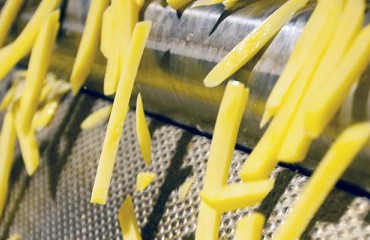
In potato processing, precise control and monitoring of production parameters are necessary to ensure high-quality products and optimize production processes.
The use of sensors and production monitoring systems has significantly improved the efficiency and productivity of potato processing operations, enabling processors to achieve higher standards.
There are various types of monitoring equipment used in potato processing, including sensors, cameras, and software systems. These devices are designed to capture and analyze production data to identify areas for improvement and optimize the production process. One of the most critical sensors in potato processing is the load cell, which is used to measure the weight of potatoes in each processing stage. This data is critical in determining the yield and quality of the final product.
Another important sensor is a device used to detect the color of potatoes and sort them based on their quality. High-quality potatoes are sorted out for further processing, while those that do not meet the required standards are removed from the production line. The use of color sensors has significantly improved the quality and consistency of potato products, resulting in better customer satisfaction and increased sales.
In addition to sensors, cameras are also widely used in potato processing to monitor production lines and detect defects. These cameras are often equipped with advanced image recognition software that can detect and classify defects such as bruising, rotting, or discoloration. This information is critical in identifying the root cause of production defects and implementing corrective actions to prevent future defects.
Production monitoring systems provide real-time information on various production parameters, including temperature, humidity, and moisture content. This information ensures the production process remains within the required specifications and that the final product meets the required standards. Furthermore, production monitoring systems provide valuable insights into production performance, revealing where there's room for optimization.
There are several production monitoring systems available in the market, each with its unique features and benefits. One popular solution is the SCADA system, which is designed to monitor and control industrial processes. This system provides real-time data on various production parameters and enables processors to make informed decisions.
To read the complete article, please refer to our latest March-April 2023 print issue of Potato Processing International.