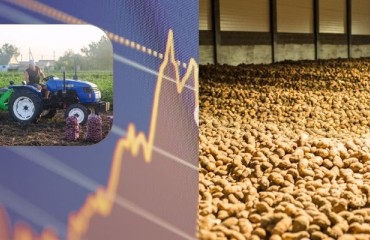
NEPG: A Four Percent Processing Potatoes Demand Growth in Europe Yearly
Despite the challenging weather, first estimates of potato production point to a recovery to multi-year averages. According to the NEPG analysts, growers will harvest almost 23m tonnes of maincrop and early potatoes. This is equal to the production from 2021 and is 1,3m tons more than in 2022.
When comparing the production in 2023 to that in 2021, processing requirements have significantly increased. Compared to two years ago, the NEPG zone's processors require at least an additional 2m tons of potatoes. The export season has already begun, and competition between buyers from the industry and export will once again be on the menu. This is in response to reduced yields in Poland and southern Europe (due to smaller planted areas and unfavorable weather conditions).
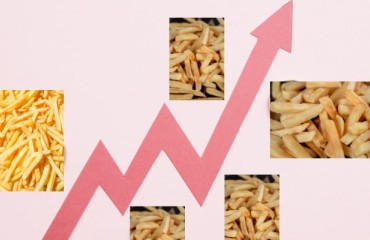
“Globally in Europe, experts think that the demand for processed products will continue to grow by around 4 % every year!” the most recent NEPG report reveals.
The 2023 crop will be significantly impacted by late blight (Phytophthora infestans), which will cause significant infestations on tubers in various subregions.
The typical planting dates worldwide were three weeks later than usual (about May 15-20 instead of 20–25 of April). A large rise in yields was caused by the weather in August, but late blight levels remained quite high.
“Mid-late varieties such as Fontane and Challenger, and late varieties like Markies, will not have all their growing days unless crops are left to grow up to mid-October. Lower tuber counts and physiological disorders (hollow heart, misshaped, rot) and above all tuber blight will impact net production! In addition, mitigated underwater weights will lessen processing yields,” the latest NEPG report reveals.
The NEPG specialists highly advise growers to inspect every field they own and determine whether or not it has tuber blight issues. Prioritizing the effects of tuber blight can help determine the best next measures for haulm eradication and storage planning. NEPG emphasizes how crucial it is for producers to have this conversation with their consumers. The problems (blight, empty hearts, rots) will either become more stable or acute depending on the weather in the upcoming weeks.