UK Chips Production Threatened by Low Potato Harvest
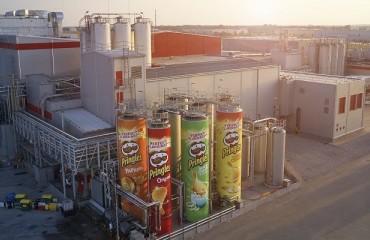
The UK Potato Processors Association (PPA) has released a statement in which it voices concerns of behalf of GB potato processors and their growers regarding chips (crisps) and frozen potato production.
Recently published figures from AHDB confirms that, despite the wettest harvest year since 2012 and the third-worst autumn on record, GB growers were able to successfully battle through and lift up to 89% of the 2019 potato harvest.
However, whilst the AHDB headline appears positive, the picture is very different across potato sectors and regions. Case in point, GB potato processors and their growers remain extremely concerned. Since the reports’ publication on November 15, weather conditions have worsened, with much of the remaining crop still in the field and not lifted.
A further concern for GB potato processors is that several varieties which are grown specifically for processing are typically harvested late, to allow for the potatoes to bulk. AHDB reports that for the North West only 67% of the regional potato area had been lifted by November 12. For Yorkshire (which in October received 175% of “normal” rainfall), a remaining 21% of the harvest has yet to be lifted.
These are exactly the regions where these late harvest processing varieties are being grown, and as a result, the GB processing sector is expected to be disproportionately affected.
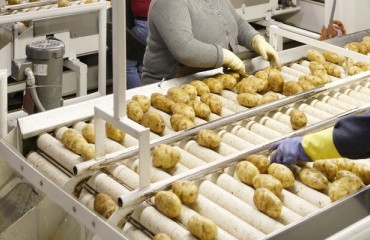
Concern is also mounting around the quality of the potatoes, going into storage. Harvesting under wet conditions with heavy soil contamination (as in Yorkshire) will usually increase the risk of damage at harvest and crop loss in the store. Whilst there are limited reports of rot or disease in store, it remains a real threat to the sector and could significantly disrupt supply.
The threat to the 2019 harvest is compounded by the fact that 2018 was one of the worst GB potato harvest in recent years, with volumes significantly lower than average and processors noting a direct impact on the quality of available raw materials.
“This is the second consecutive year that the potato harvest has been impacted by adverse weather conditions. A high level of concern remains across the industry, and in particular within the processing sector since in some regions up to 23% of the crop remains in the ground,” said Andrew Curtis, director general of the Potato Processors’ Association in the UK.
GB potato processors are working with growers on scheduling to ensure maximum use of the usable crop and the whole of the supply chain is working together to ensure that they can continue to provide quality finished products.
Processors are limited, to an extent, by the physical characteristics of specific varieties required for frozen potato and chips (crisps) production but will, of course, take a pragmatic and flexible approach to specifications wherever possible.