Frozen Foods Are Key to Fighting Food Waste
In the United States, roughly 30-40% of the total food supply goes to waste, with Americans throwing away the equivalent of 219 pounds of food per person each year. This is a tragedy, not only because of all the invested resources that are wasted—including fuel, water, fertilizer, and manpower—but also because that uneaten food often ends up in landfill, where it generates greenhouse gases such as methane, rather than feeding the more than 35 million hungry people in America.
By Shannon Bergstrom, LEED Green Associate, TRUE waste advisor, RTS.
According to the United Nations Food and Agriculture Organization, roots and tubers, along with fruits and vegetables, are the most wasted foods, particularly by consumers in North America. With fresh foods such as these, along with meat, fish and dairy, a major contributor to food loss and waste is spoilage. While producers and manufacturers struggle with the contamination, heat, and improper handling that causes food to spoil, at the consumer level, spoilage is often the result of poor planning, impulse buying, and incorrect storage.
But there is a solution to reducing food waste that is right under our noses—or rather, our refrigerators. It is the humble freezer. Freezing is an age-old preservation technique that has been practiced in colder climates for centuries, however today, your freezer is an excellent weapon in the fight against food waste. It is, unfortunately, also often overlooked due to old stereotypes about freezing and frozen foods—but those attitudes are beginning to change.
Frozen Food’s Bad Rep
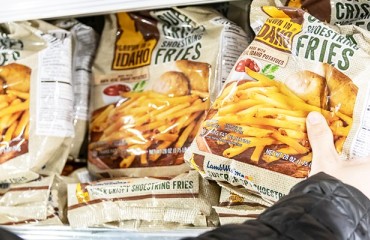
When many people think of frozen food, they may imagine boxes or bags covered in a layer of ice, containing bite-sized vegetables or French fries that lose flavor and texture once reheated. They may even recall the gloopy TV dinners of old, or the soggy pizza rolls they had as after-school snacks. Frozen foods are often wrongly seen as being low-budget, poor-quality alternatives to fresh food, and the kind of thing a busy parent would throw in the microwave rather than cooking a proper meal.
In reality, though, modern frozen foods are nutritious, handy, and incredibly versatile. Compared to when they first rose in popularity during the middle of the 20th century, new technology is able to produce frozen foods that are of high quality, and freezing is now a technique appropriate for all kinds of foods—not just peas and fish fingers.
Reducing Food Waste Upstream
Even on the production and distribution side, once a food is frozen, it is far more resistant to bruising or smashing than fresh foods. This means that, as long as there is a sufficient cold chain in place, frozen foods are easy to transport, and contribute to the reduction of upstream food loss. They’re also easier to handle for retailers, who can store them for long periods of time on display instead of having to constantly remove and throw away fresh foods beyond their sell-by date.
Technological progress is also making it easier to manage and prepare frozen foods correctly. For example, smart sensors can more accurately track the temperature of freezers compared to conventional monitoring, better preventing loss of product due to equipment malfunction. On the consumer side, there are even IoT devices that help cook frozen foods properly for even greater convenience and an improved end result.
Of course, no amount of frozen food can help reduce food waste if it gets crammed in the back of a freezer only to be discovered, stale and covered in ice, during a semi-annual fridge clean. It’s also important for people to learn about proper storage techniques and maintenance to avoid turning frozen goods into freezer-burned food waste.
However, improving the image of frozen foods and elevating them from merely a cheap convenience to a useful resource that even the most health-conscious consumers don’t have to be embarrassed to purchase must be a priority for the industry. As cold chain technology improves and becomes more widespread, high quality frozen foods are becoming available to people everywhere.
The global pandemic has spurred on changes in shopping habits that have already made frozen foods more popular. Coupled with the continued overall rise in eco-conscious mindsets, this is an opportune time for producers and consumers alike to explore how frozen foods can contribute to reducing everyday food waste.