Ensuring Product Quality: Keeping an Eye on Store Control Systems
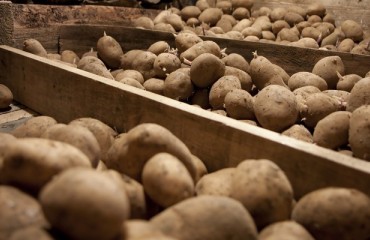
New systems are becoming available to help the potato store manager to keep records more easily and for these to be available for quality assurance and traceability purposes, whenever needed.
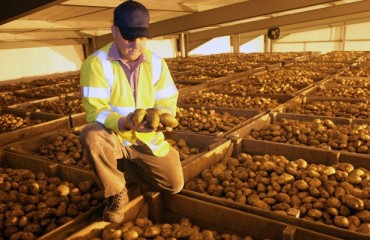
Among the many aspects that need to be considered and supervised thoroughly are store temperatures and controls, which should be checked daily. According to the Potato Store Managers’ Guide, third edition, issued by AHDB in UK, temperature information is the most critical and a simple log of key probe readings can be kept manually or printed off daily. It is also useful to know how long the hardware has actually been running. Hour meters can be easily fitted to most equipment to provide this information. Stocks of potatoes should be checked weekly. Many store-control systems now offer facilities to log information electronically and computer-based control is also commonplace. Managers should ensure the output is in a clear, easy-to-interpret format for the operator to use and understand so errors are avoided and to make good use of user-friendly features such as touch-screen operation, graphical-user interfaces, web-based data portals and text alerts. In addition to routine monitoring, there should also be procedures in place to assess the crop regularly and in relation to the specific requirements for the intended market. According to the third edition of the guide, written by AHDB’s Adrian Cunnington, within the limitations of access to the crop in store, one should try to take adequate samples to ensure they are representative of the crop. If sampling from the top of the store is required, permanent ladders and walkways should be fitted to allow this to be done in safety.
Quality assurancePotato production and storage is increasingly subject to quality assurance procedures, such as Red Tractor Farm Assurance, which include traceability, care for the environment, and minimization of risk to the consumer. Good record-keeping is also a benefit to management, as it can quickly identify weak points in a production system. Recording systems should be designed so all the information on a batch of potatoes is consolidated, enabling the reasons for any problem to be more rapidly identified. All actions taken should also be recorded on the log for that batch, the guide explains.
Servicing of store equipmentRegular servicing of store equipment reduces the risk of breakdowns, which can seriously compromise quality if they occur. It is recommended to ensure all key equipment is serviced and checked annually, according to the AHDB expert. If manufacturer servicing is not possible, one should verify temperature-recording equipment against a reliable handheld reference thermometer and keep service records safely as it is important to be able to demonstrate due diligence in the management of the store, especially if there is a need to demonstrate legal compliance or if there is a contractual problem affecting the quality of the crop.
Store DiaryThe AHDB guide also states that it is important to keep a store diary to record general store management information related to all the stocks held within the store. This will include major events such as loading or a chemical application and regular store inspections for condensation, dehydration, rots or blemish diseases. Where detailed individual stock records are kept, it is unlikely that they and the store diary will come together, unless there is some system set up to link the two. This can be resolved by keeping a detailed record or plan showing where each stock is located in the store. Inspection information can then be linked to stocks located in the problem areas.
Risks in storesThere are a significant number of regulations that cover health and safety, which are likely to apply in and around the potato store. Store owners, operators and employees working in potato stores, must do everything possible to ensure their own safety and the safety of others. The easiest way to do this is to complete a risk assessment. When assessing risk, it is best to keep matters simple wherever possible, to ensure any measures to improve safety are followed. So, the questions used to identify the risks – and what steps are being taken to minimize those risks – should be straightforward. If measures are inadequate, additional controls may be required. They AHDB guide cautions that not implementing preventive measures simply to save time or expense is not acceptable in a situation where safety is compromised. Risk assessment is a statutory requirement as part of health and safety legislation. It is relatively straightforward to make and record an assessment of risks in each store. Risks that commonly occur in a potato store include:
● Working at height ● Slips and trips ● Lone working ● Carbon dioxide accumulation ● Chemical use including pest control ● Electric shock ● Lighting ● Vehicle movement ● Box stacking
Finally, the guide states that an important aspect of the risk management process is the feedback it provides, so if a particular risk is measured and continues to present problems, it can be re-evaluated and further measures taken to minimize it.