The Shape of Things to Come
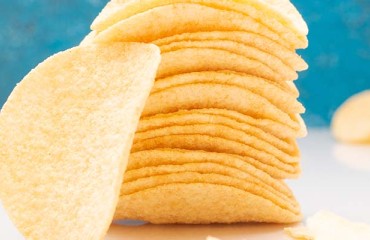
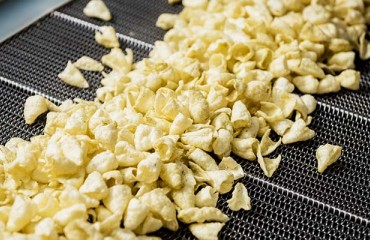
Consumer demand for more novel shapes and designs continues to influence the market for extruded snack pellets. Products made from potato derivatives such as flakes, granules, and modified starches represent one of the main sectors within the overall market for extruded snack pellets.
by Jonathan Thomas
These are most often produced, dried, and semi-processed for ease of storage and shipment, before undergoing further processing later in the manufacturing chain. During this stage, snack pellets can be expanded via a range of techniques, some of the more common of which include frying, air-popping, baking, or roasting. After this process, the snacks are then seasoned, packaged, and sold via retail channels. They offer numerous advantages, examples of which include long shelf life, high-density features, and ease of storage and transport.
Besides potatoes, extruded snack pellets are typically manufactured from starch-based raw materials such as cereals, pulses, or vegetable powders. The different raw materials used result in differing finished products, comprising a range of shapes, formats, flavors, etc.
The Extrusion Process
Extrusion technology is one of the most established and widely used techniques used within the food processing industry. It is a procedure whereby various assorted ingredients are forced through an opening in a holed die or plate, after which they are cut to a pre-determined size via the use of blades. Extruder equipment consists of a large gyrating screw fitted within a fixed barrel, at the end of which is the die. The extrusion process allows large-scale manufacture of food products through a well-ordered system that guarantees the finished products have a uniform appearance and texture.
Food products manufactured using an extrusion process typically contain high levels of starch. This allows the products to remain intact during mass manufacture. In addition to potato-based snacks, other applications for extrusion technology within the food processing industry include breakfast cereals, bread, biscuits, croutons, some varieties of pasta products, textured vegetable protein, confectionery, dried pet foods, baby foods, and beverages. In addition to their other features, extruded snack products typically contain low moisture levels, i.e. around 4-6%. This makes them shelf-stable and therefore increases their shelf life.
You can read the rest of this article in your complimentary e-copy of theSeptember/October Issue of Potato Processing International magazine, which you can access by clicking here.