Potato Market in 2025: Balancing High Demand, Climate Challenges, and Production Shifts
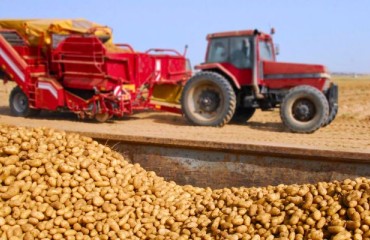
The potato processing industry is expected to experience sustained growth through 2025, driven largely by evolving consumer demands, technological advancements, and emerging markets. With increasing interest in processed potato products such as frozen fries, chips, and snacks, the global potato processing market is projected to grow annually at over 5%, with regions like Asia-Pacific and North America playing major roles.
As consumers prioritize convenience foods that fit busy lifestyles, demand for pre-prepared and snackable potato products continues to increase, especially in urbanized markets with fast-growing foodservice sectors.
In North America, particularly the U.S. and Canada, demand for processed potato products is expanding as consumers turn to more portable, ready-to-eat options. This trend is not only prevalent in retail but also prominent across quick-service restaurants. As North American markets emphasize snack foods, health-conscious consumers are pushing companies toward innovations that address both taste and nutritional value. This is especially crucial given the rising popularity of low-fat, low-sodium, and non-GMO options. In contrast, in Asia-Pacific, countries like China and India are seeing heightened demand due to the rising middle class and the growing appeal of Western-style fast food. This region alone is expected to account for about 30% of the industry’s growth.
Europe
The European potato sector, already one of the most significant globally, continues to be driven by the demand for processed products like fries and chips. However, recent supply challenges have forced companies to re-evaluate their operational models. Extreme weather, including droughts, has significantly reduced crop yields across Europe, with a 20% decline reported in some areas, pushing up procurement costs and impacting profitability across the processing sector. This decline has directly affected major European brands like McCain, which has already implemented price hikes in response to these increasing costs.
According to A-Insights, supply-side constraints are compelling European processors to prioritize meeting domestic demand, particularly through contracts with large Western European retailers and fast-food chains. As a result, exports are expected to decline, creating potential opportunities for North American producers to gain market share in regions previously dominated by European suppliers, such as Southeast Asia and South America. Given higher yields reported in North America, producers there are better positioned to fill the gaps in supply left by Europe, which will likely further impact the global market share distribution in 2025.
Sustainability continues to be a central theme, with companies working towards soil health and regenerative practices. This push aligns with the European Potato Processors’ Association (EUPPA) recommendations, which advocate for sustainable practices across the industry, addressing environmental and consumer expectations for eco-friendly products.
To read the complete article, please refer to our latest November–December 2024 print issue of Potato Processing International.