Post Pandemic Growth of Batch Fried Chips
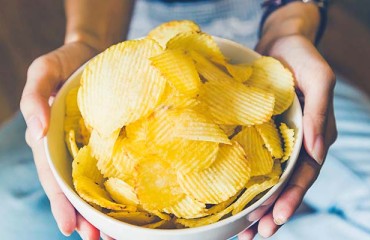
Potato-based chips continue to represent one of the most popular forms of snack food across the world, despite ongoing health concerns over calories, fat and salt levels, etc. In-home snacking and interest in bolder flavors is set to keep demand for kettle chips high over the next few years.
by Jonathan Thomas
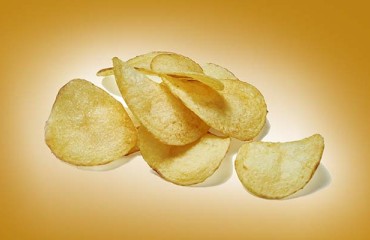
During the first decade of the new millennium, one of the leading trends within western markets such as the UK was the growing popularity of premium and gourmet products, which were often promoted using terms such as ‘hand-cooked.’ Consumers were increasingly attracted to the unusual texture and appearance of these products, while manufacturers sought to increase their appeal still further via the launch of novel flavors. This trend towards gourmet snacks was responsible for much of the growth in demand for batch-fried chips, or kettle chips as they tend to be more widely known.
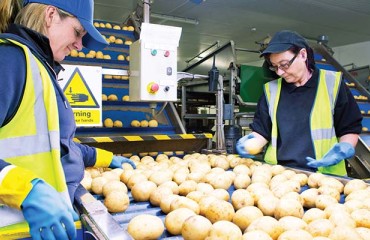
The main difference between batch-fried chips and their more regular alternatives lies in their cooking methods. Regular potato chips are manufactured via a process termed ‘continuous fry’, i.e. being fried on a conveyor belt as they move through hot oil which remains at a constant temperature. In contrast, a process known as batch cooking is used for batch-fried or kettle chips, which has been described as a more old-fashioned cooking method and results in products which are harder and crunchier than standard varieties. This process involves stirring cold potatoes into an oil-filled kettle. The temperature decreases as more potatoes enter the kettle, thereby slowing down the cooking time. This creates chips with a darker color and unusual and imperfect shapes.
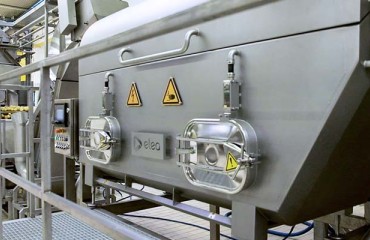
The batch-frying process does create some specific challenges for manufacturers. The direct slicing process used results in significant quantities of starch being washed off the potatoes in the frying oil. This water-soluble starch is cooked in the oil and assumes the same density, with the result that it cannot be removed from the oil by a centrifugal type of separator. The starches will also bind the surface of the filter modules, thereby reducing their lifespan. The batch-frying process can also result in heat damage to the oil. This is because the temperature fluctuations associated with kettle chips are more damaging to oil than processes which involve a more constant temperature. Kettle-style potato chips tend to absorb up to 35% of the frying oil, which is slightly lower than regular varieties produced via a continuous system. You can read the rest of this article in your complimentary e-copy of the July/August Issue of Potato Processing International magazine, which you can access by clicking here.