Frying: Finding the Right Solution Is a Top Priority
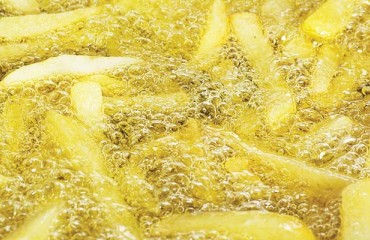
The selection of frying equipment is a multi-faceted decision and manufacturers must make sure they identify the frying system that best suits their needs – this encompasses functional and operational requirements, marketing and consumer needs, as well as legislative regulations regarding food safety and hygiene.
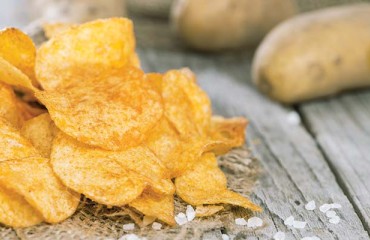
Finding the best solution for the product or product range that is going to be processed must be a top priority. The type of product, its sensory qualities and physical dimensions should be considered when selecting a frying system. Since different products types have their own set of attributes, unique structure, weight, surface texture and topography, this often determines the processing requirements and cooking profile. In addition, frying equipment is often customized to fulfil specific requirements for taste texture and visual appeal. Continuous frying, for example, is more suitable for regular potato chips which are typically light in color, crispy and finely textured. Meanwhile, batch frying process is typically used to produce high quality batch chips that are sturdier and darker in appearance.
Desired production rate must also be established to determine the appropriate fryer size and type. For lines running multiple products, the fryer capacity is tuned to meet the required production output for the product that the customer runs most of the time. When it comes to running multiple products on a single line, ease of operation and the ability to make quick changeovers are important considerations too.
Ease of cleaning and maintenance is an additional consideration when specifying a frying system. With the prevention of food contamination top of the agenda for any brand, procuring equipment with a hygienic design is a key priority. Food can, for example, easily become trapped in mechanical joints, compromising hygiene. A sanitary design with smooth surfaces, no blind spots and no areas, such as corners in which product and microorganisms build up, can help food manufacturers adhere to increasingly strict food safety requirements. Moreover, all good frying systems should be designed so that any water or cleaning fluids completely drain out of the system, following the same path as the oil, leaving no area untouched. The removal of water from a fryer is critical for oil integrity, as well as for user safety. By specifying an easy-to-clean system, food processors can significantly reduce the risk of bacterial growth or cross-contamination. Oil management is an additional consideration when it comes to reducing oil loss or prolonging oil life. Manufacturers should therefore look to specify frying equipment that supports best practice when it comes to oil turnover time and oil filtration. The most innovative frying technology incorporates continuous filtration systems to help remove particulate material from the fryer during cooking. Typically, the oil is passed through a filtering system to remove both large and fine particles. The filtered oil is then blended with fresh oil and pumped back into the machine to return oil levels to the optimum level. This ensures that the product is cooked in the freshest oil, assisting manufacturers to produce fried goods of the highest possible quality.
You can read the rest of this article in your complimentary e-copy of the May-June Issue of Potato Processing International magazine, which you can access by clicking here.