Potato Industry Reaps Benefits of New Computer Vision Technology
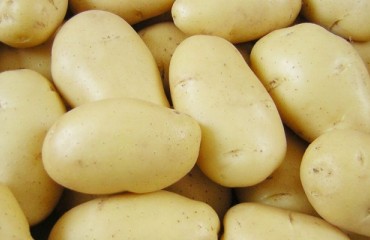
A prototype computer vision system to identify sub-standard potatoes will be presented by computer scientists from the University of Lincoln at the triennial conference 'Crop Protection in Northern Britain', taking place in Dundee this week.
The new machine vision system uses off-the-shelf hardware to enable affordable detection, identification and quantification of common defects affecting potatoes.
The British potato industry is worth around £3.5billion a year and potatoes account for 40% of the carbohydrate consumed in the UK.
The main factor affecting consumer preference is physical appearance, with clear unblemished skin a significant selling point.
Potatoes with defects, diseases and blemishes are generally avoided. Most potatoes are sorted into different grades by hand, often resulting in mistakes and losses.
The University of Lincoln team from the Centre for Vision and Robotics Research worked with the Potato Council to produce a low-cost system which can assist quality control (QC) staff and improve consistency, speed and accuracy of defect identification and quantification.
Director of the Centre for Vision and Robotics Research, Dr. Tom Duckett, said: "The system relies on initial input by an expert, identifying blemishes, diseases, as well as good specimens, from sample batches of potatoes. The graphical user interface was developed to allow the software to be used by quality control experts from the industry. The system can be trained to recognise different defect types and will analyse potatoes in near-real-time - a significant improvement on previous research in this area."