Interview: 50 Years into the Business, Kiremko Reveals Industry History and Trends
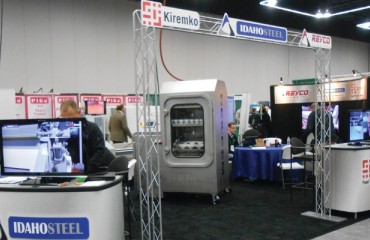
Speaking with Kiremko’s Director, Andrew Gowing, PPI explored the secrets of their long and successful business line. Kiremko’s man in charge told us of the benefits they derive from their strategic partnerships with other companies, about their approach to different markets around the world and where they see most competitors.
By Aleskandar Stajcic
Gowing also spoke about the latest trends and demands from their costumers and much more. Kiremko, a Netherlands-based company, is one of the world’s leading suppliers of turnkey potato processing lines.
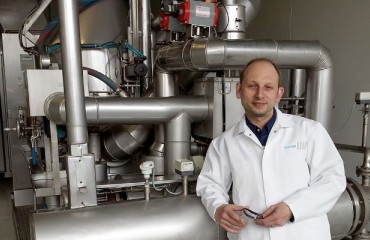
Andrew Gowing, Director, KiremkoPPI: Can you remind our readers briefly how the business developed from 1965, and what were the key moments that marked your development?
Going right back to the beginning it was difficult when Kiremko split into two separate organizations. One supplies industry and the other supplies catering. Both companies continued to grow and the catering side still strives under the name QBTEC. We have seen steady, controlled growth over the years. When I started working in Kiremko 23 years ago at that time we were mainly supplying individual machines. As we have grown we have started to deliver more complete packages or larger parts of process lines.
Kiremko has been a stable company that has not been taking risksbeyond our processing equipment.One ofthe larger changes that took place happened when we formed a strategic partnership with Idaho Steel Products, givingKiremko access into the very large US market and adding technology to our delivery program, for example with the flake potato sector. More recently we have followed that same process - we developed more strategic partnerships with other companies like the Tolsma-Grisnich Group, Concept Engineers B.V., the Packo Inox NV Fullwood Packo Group, Van den Pol Elektrotechniek B.V., BluePrint Automation and others. We believe that strategy allows us to offer a wide service and a wide delivery programme to small, medium and large customers.
PPI: We are trying to follow new technologies within our industry, can you share something from your side, what are the key benefits of new technologies for potato processing lines, and are there any inadequacies?
The market is always very demanding. Clients always want improvements that can mean anything from higher yields, bigger capacities, energy reduction and environmental concerns. This means that we have to improve our technology continuously. If we stand still, we will be going backwards, because other people will overtake you. So, we have a dedicated innovation team and we are always investing in new, improved ideas. We have at this moment in time more than 70 ongoing innovations. They can be small improvements to existing machines or major developments to new machines. We look to build new processes, and potentially new potato food products. All aspects of the business are continually being examined so we can keep moving forward.
PPI: In which part of the world do you see most opportunities for your business development?
Across all markets Europe and the US are still growing and the potato processing industry is a global business. A lot of the products like French fries, which are manufactured in Europe and the US, find themselves all over the world. China has been a long-term project for us. We have had a permanent base there for nearly 10 years and that indicates our belief that the Chinese market will continue to grow. India is an interesting market: it has a huge population, and it is a potato-eating country. So again, that is one of the reasons for having a permanent location there, because we believe that in years to come India will become a major market for ourselves and other machine manufacturers.
If you had asked me two or three weeks ago I would have also spoken very strongly about Russia. We still believe that Russia will be a huge market for potato products in years to come. However, the political events which have taken place in the last few weeks, I think, will slow that progress down. We have already seen indications of this from potential clients from that part of the world and financing projects could be difficult not only from the financial point of view but also the political point of view.
The other market which we believe will grow substantially in the future is Africa. We are receiving inquiries from small and medium processing lines, particularly from Central Africa. Again, when you look at the population and look at the fact that they are all potato-growing areas, it is only natural to assume that market will develop in the years to come.
Read the whole story, including insights on the company and their most requested equipment, market trends and opportunities, a detailed review of equipping a potato chips manufacturing line in India, the company’s cooperation with Idaho Steel and REYCO Systems; and Mr. Andrew Gowing’s thoughts on Kiremko’s 50th anniversary and plans for the future, in Potato Processing International, July/August issue!