UPGC: Overall Canadian Potato Production Will be Down
The United Potato Growers of Canada (UPGC) analysts believe it is crucial to revisit the nation's September 2023 output estimate because the potato harvest is virtually over in the East and finished in the Western provinces of Canada. The September prediction for Canadian spud production was revised downward by UPGC specialists in light of recent changes in the U.S. potato processing industry.
“Based on the weather for harvest in October for the Eastern provinces, as well as hectares taken out of production in the west, we feel overall production will be down […] from our earlier estimate, but still an increase of 2.6% over last year and the highest ever for the country,” the UPGC report reveals.
Fresh potatoes ought to be readily accessible for domestic markets despite reductions in the country's Eastern region, even while pricing pressure from oversupply in the Pacific Northwest continues to hinder Canada's potato exports to the U.S.
‘Possible Losses Throughout the Winter are a Worry’
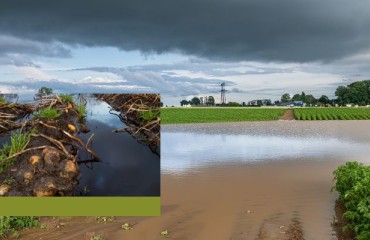
Prince Edward Island (P.E.I.) potato producers have been fighting rain and now snow as they attempt to get the last few thousand hectares into storage. Although not behind schedule as the province traditionally went right out to Halloween, there has been some difficulty in the second half of the month getting into the fields. There are some concerns about storability as most of what is left to harvest are the Burbanks which have now been subject to the most water, growers will be keeping a close eye throughout the winter.
“The situation is similar in neighboring New Brunswick, although much closer to finishing harvest they have had the same wet conditions as P.E.I. and Quebec throughout the growing season, with many saying that the first three weeks of the month made the entire difference in the crop this year. This same great weather for harvest was enjoyed in Quebec as well, who are now close to finished harvesting the storage crop,” the analysts declared.
The hollow heart problems that affected the Russet potato varieties in New Brunswick also affected Quebec, primarily in the processing industry. In the province, the red and yellow potatoes have performed far better, according to reports of high quality. Although storage is going well so far, possible losses throughout the winter are a worry.
While June and July in Ontario began similarly wet and rainy, they did not receive the severe rains that Quebec had, as shown by this year's good yield. The province saw better than average yields and generally good harvest circumstances; however, some growers anticipate a higher grade-out and possible storage problems because of some wet weather in the final few weeks of harvest.
“After a very hot and dry start to the growing season in Manitoba, July and August were a bit better as temperatures moderated. In the mostly irrigated processing sector fields the yields were very good and within a couple of weeks of the start of harvest, there were calls from growers looking for storage. This oversupply, along with damaged fields from hail storms, is unfortunately resulting in growers abandoning up to 800 hectares in the province. The fresh sector in Manitoba is reporting a very good crop considering that most of the reds and yellows are on dry land. Irrigated fields are noting very good yields, but the sector as a whole is estimating an average crop overall,” according to the UPGC report.
In Saskatchewan, the potato seed crop has done very well, despite a very hot May, as with Manitoba the weather improved through the season. Dry land areas may be below the three-year average however the irrigated fields are forecasting an excellent crop.
It is important to note that all seed areas across the country are reporting very good crops this year, even in Quebec which was the hardest hit with precipitation, the seed sector further north was not as hard hit.
Alberta had an extremely dry year, going on three years now of drought-like conditions, reporting that the irrigation supply was empty for the first time at the end of the growing season. They will need a good snow pack or may face allocation next year. Despite these conditions, there was a very good crop and unfortunately, Alberta is also caught up in the oversupply situation in the processing sector in the Pacific Northwest and processors will not be taking all of the potatoes coming out of the ground in the province this year.
In British Columbia, despite no more than two inches of rain from May through to September, growers have reported an excellent crop and the bins are full. Although below the five-year average, production estimates for 2023 are greater than the last two years.
US Processing Crop
In a recent interview with Dale Lathim, President of the PMANA, the UPGC experts have learned about the oversupply situation in the Pacific Northwest.
“It’s been a better year for Northwest french-fry-making potatoes than the last couple of years – too good in fact”, he mentioned.
Lathim said farmers eagerly planted more spuds this year than last. That all totals up to a big potato glut. Now, massive amounts of spuds must be destroyed: 165,000 tons of them. The tubers are from Washington, Oregon, Idaho, and Alberta.
Lathim also declared that the industry has had two years of shortages but this year farmers overblew the hole by growing an additional 22,250 hectares. In Lathim’s 30 years in the industry, he said he has never seen anything like it. Of the 22,250, only about 2,000 hectares of potatoes total will be destroyed – that’s because the pipeline was so empty.
“But it’s still a huge amount of spuds. This problem will likely carry over to next year’s farmers’ woes. That’s because 10% more potatoes from this year will be used next year by major potato processors – the companies have already warned growers they will have to cut back an additional 10% in 2024,” the UPGC representatives wrote in their report.
From Mainland Europe, the News are Mixed
Belgium and France are reporting promising yields. French yields are shining bright, showing a 10.2% increase compared to the previous year. However, The Netherlands’ yields are trailing behind Belgium’s. The Dutch crop has been plagued with quality issues, including mishaps, pink rot, and blight. Over in Germany, some storage facilities have already had to unload their stock due to “breakdown” issues. In Ireland, the same weather conditions that have boosted sales have also brought challenges.
“Harvesting activities have come to a standstill due to adverse weather. Fields across the region are grappling with widespread flooding, leading to waterlogged conditions. This has raised concerns about potential losses in the crop yield. Similar conditions have been seen in the U.K.,” the UPGC analysts concluded.