Malta’s Potato Exports Face Uncertainty

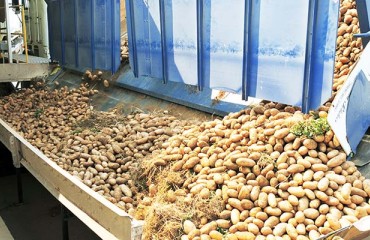
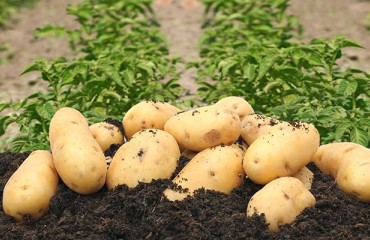
The export of Malta’s most profitable crop, the humble potato, has been thrown into uncertainty this year, due to the coronavirus outbreak.
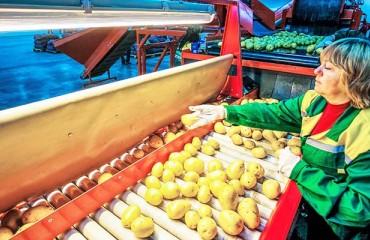
According to timesofmalta.com, the crop is worth about EUR2m a year to Malta’s farmers. But while they have started to harvest potatoes for export to countries like The Netherlands and Germany, this year, they fear a drop in both demand and prices.
The situation is “very fluid and uncertain”, according to Malcolm Borg, head of the farmers’ lobby group Għaqda Bdiewa Attivi.
“Everything is up in the air. Dutch importers are weighing things, especially issues related to demand. Meanwhile, they also have a problem with workers since they do not have enough people working with them due to the lockdowns,” he said.
The potato season usually runs through to June with exportation taking place between April and May. The Maltese have been exporting potatoes for over a hundred years. The crop is very important for the profitability of many local farmers, Borg said.
According to the national agricultural policy, Maltese potatoes are highly appreciated on the Dutch market, where they achieve premium prices that surpass those for similar produce from other countries.
The uncertainty is even more worrying for farmers this year, since they have suffered “great” losses as a result of restaurants being shut down, Borg added. On the other hand, demand from local households does not seem to have been impacted by the outbreak. The Agriculture Ministry said it had no updates on the situation. “Up until now, our Ministry hasn't been informed as to any change in the exportation of potatoes."
According to national policy, the Maltese potato product has “unique organoleptic properties” – which relate to taste, odor and texture – as well as a traditional link with Malta. On the Dutch market, Maltese potatoes are often referred to as the Maltas. Dutch consumers, especially those of traditional eating habits, have acquired a preference for Maltese produce, for which they are ready to pay higher prices.
Malta’s potatoes are also in demand in Germany, Belgium, Switzerland and the UK.