Chips Will Never Go Out of Fashion
Despite competition from other forms of snacks, chips and crisps will remain a key application for potatoes for some time to come, reports Jonathan Thomas.
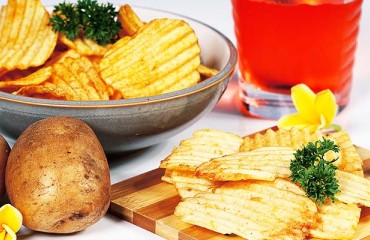
One of the main uses for potatoes is as chips or (as they are more frequently called in places like the UK) crisps. They represent a key application area for the global potato industry, accounting for a sizeable share of worldwide output. Most estimates regarding the size of the global market value sales at between USD25bn and USD30bn at present.
Market Overview
Potato chips and crisps continue to represent one of the mainstays of the global snack foods market. However, the sector is coming under intense pressure from other forms of snacks as the market’s scope widens – consumers are now snacking on foods ranging from dairy products (e.g. yoghurts and cheese) to hot-eating products (e.g. microwaveable sandwiches), as well as more traditional forms of snacks, such as fresh fruit, biscuits, confectionery, nuts, popcorn and seeds. In recent years, other sectors such as vegetable crisps have also emerged, positioned in some instances as an alternative to potato-based varieties.
Nevertheless, demand for snack foods remains high throughout the world. With consumers continuing to lead busy lifestyles, the need for foods which can be eaten conveniently and on-the-go shows no sign of abating, especially among the younger age groups who observe less strict mealtimes. Furthermore, the traditional boundaries between formal mealtimes and snacking continue to blur – for example, data from the NPD Group indicates that around half of US adults replace meals with snack foods three to four times per week. According to the same source, snack foods eaten as main meals accounted for 24% of all snack occasions in the US during 2018, a figure which has increased from 21% five years earlier.
In geographical terms, sales of snacks such as potato chips and crisps remain heavily skewed towards western countries and nations with large populations. The US has the world’s largest market, ahead of the UK, Germany, Russia, China, Brazil and India. Most of the current opportunities are believed to lie in emerging economies such as China and India, where per capita consumption remains at 1 kg or lower. In markets such as this, growth in demand is most evident among younger urbanized consumers, who lead more time-pressured lifestyles and also possess higher levels of disposable income.
Penetration levels for potato chips and crisps remain high. In the UK, for example, Mintel data indicates that they are eaten regularly by 93% of the population, whilst 63% of UK people admit to snacking every day. In markets such as the UK, there has been a strong growth in the adult snacking sector in recent years – this has resulted in manufacturers developing more premium and luxury chips and crisps to cater towards more demanding tastes. These are increasingly being consumed during occasions such as informal parties and gatherings in the home, sometimes as appetizers.
Health – An Ongoing Consideration
One of the main challenges facing the market in the coming years is continued focus upon the nutritional profile of many types of chips and crisps. In the past, these have been linked with high levels of salt and saturated fat, as well as being held up as an example of poor diets. Although products such as low-fat and low-sodium crisps have been around for some time now, recent evidence suggests that health-conscious consumers are increasingly seeking out all-round nutrition from snack foods. Typically, this may include gluten-free varieties, as well as products manufactured using a baking (rather than frying) process.
Consumer behavior studies suggest that consumption of healthier snacks tends to be heaviest earlier on in the day, such as mornings and lunchtimes. Towards the evening, consumers are more inclined to move towards more indulgent products carrying less of a health appeal. As evidence of the continued nod towards healthiness, many of the world’s leading manufacturers include chips and crisps carrying some form of health or nutritional benefit within their ranges. In Ireland, for example, the Tayto range includes Tayto Crunch crisps, which are marketed as containing less than 100 calories per pack.
On a related note, the potato chips and crisps market is also witnessing a move towards smaller packaging formats and sizes in many of the large western markets. Whilst this undoubtedly assists with portability, helps to reduce the risk of food being wasted and is ideally suited to the growing number of single-person households throughout much of the world, health concerns are also thought to have influenced this trend. Smaller portion sizes have been linked with calorie control, enabling consumers to monitor their intake more carefully.
You can read the entire article in our print magazinePotato Processing International (Jan/Feb 2019)!