Transforming the Potato Farming in South Africa
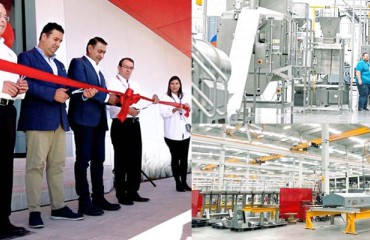
McCain Foods Limited, one of South Africa's top frozen food manufacturers, has formally opened the second of three Farm of the Future Africa facilities in Lichtenburg, North West, by 2025.
McCain's Farms of the Future initiative, which debuted in Canada in 2020, aims to improve understanding of regenerative farming practices, including their impact, costs, and advantages. The regional farm will serve as a research base for regenerative agricultural approaches for South Africa's potato-producing business, which contributes roughly USD356.4m to the country's GDP.
Regenerative agriculture is an ecosystem-based farming technique that aims to improve farm resilience, productivity, and quality by boosting soil health and biodiversity and lowering the impact of synthetic inputs.
“The Farm of the Future Africa project reaffirms McCain’s commitment to the growth of South Africa’s agricultural and agri-processing industries. Significant progress has been made since the unveiling of the farm last year, and we are proud to share these developments with all of our stakeholders, from farmers and local government representatives to customers and partners. This flagship initiative not only showcases South Africa's sector expertise but also the implementation of industry-leading regenerative agricultural practices that boost productivity and profitability, while accelerating sustainability,” McCain Foods, Vice President, Global External Affairs and Sustainability, Charlie Angelakos said.
The farm will also act as an effective recruiting and training platform, in keeping with Agriculture, Land Reform, and Rural Development Minister Thoko Didiza's recent demand for sector participants to build mechanisms to enable the next generation of farmers to flourish. Stakeholders will also have access to the labs and equipment on-site, which will help to promote local research and development.
“Our investment of USD5.4m into Farm of the Future Africa demonstrates our commitment to producing planet-friendly food and ensuring that sustainability is integrated into every touchpoint of our business value chain. Farm of the Future Africa will test and feature innovative processes and technologies, specifically tailored for the Southern Hemisphere, in a collaborative hive that will bring together academics, industry and technology partners, and farmers, working together to reimagine the way we grow a potato - approaches that are better for farms and the planet,” Unathi Mhlatyana, Managing Director, McCain Foods South Africa, mentioned.
The Chief Economist of the Agricultural Business Chamber of South Africa (Agbiz) and member of the advisory board for Farm of the Future Africa, Wandile Sihlobo, acknowledges the difficulties the agricultural sector is now facing and the measures required to make the sector flourish.
“Potatoes are an essential staple for South Africans and an increase in the local production of sustainable spuds will have a tremendous impact on national food certainty, direct and indirect employment, and the livelihoods of Mzansi’s farmers. It will also assist us in effectively combating the effects of climate change, ensuring the security of supply,” Sihlobo added.
The farm's main office and several machine sheds are efficiently powered by solar energy, in keeping with McCain's Resource-Efficient Operations sustainability pillar. The business is also looking into ways to use solar technology to support the ongoing use of field irrigation.
“Our farmers are at the heart of our business. By implementing the Farm of the Future Africa project, we will have the capability to conduct cutting-edge research that can maximize yields, promote economic growth and strengthen sustainability. Our goal is to share this valuable knowledge with our farming partners as we embrace and prepare for our future, together,” Mhlatyana declared.
As part of corporate sustainability objectives, McCain has committed to using regenerative farming methods on all of its potato-growing lands worldwide by 2030.