Seabrook Crisps Reports a Dip in Profits Due to Low Potato Crop
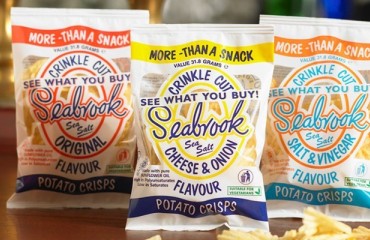
The Bradford-based business Seabrook Crisps revealed a gross profit percentage drop of 41.8% in its recent financial statement, down from 47% in the previous year.
In its financial statement for the year to April 1, 2018, the business reported revenues of GBP30m, up from GBP24.5m in 2017 - but costs also increased from GBP13m in 2017 to GBP17.4m. This took its toll on operating profit which fell to 11.3% from 14.9%, according to thetelegraphandargus.co.uk.
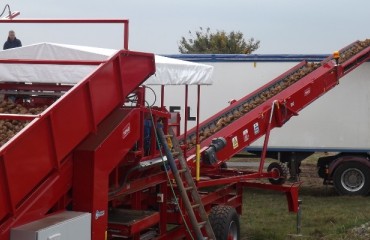
In its report, Seabrook highlighted the poor crop as a leading factor for the gross profit percentage drop.
“Issues with the quality of the potato crop affected the majority of 2018, with poorer-than-average yields materially impacting our profitability in the year. Had yields been aligned to historic averages, we would have improved on our 2017 performance. However, given the unexpected and relatively short timeframe over which these issues occurred, we met these costs in full,” the report says.
Seabrook produces a range of crinkle cut, straight cut and lattice crisps, as well as low-calorie snacks, from its headquarters in Bradford. Nowadays it produces more than 250 million bags of crisps a year, which are enjoyed by consumers worldwide having successfully entered new markets including the United Arab Emirates, China, France, Spain and Australia.
The company was acquired by Calbee (UK) Ltd in October, a deal which chief executive Jonathan Bye said was “fantastic for job security and future plans.”
He added: “Calbee have a track record of investing and this will really leverage the potential of the brand.”
“As part of that development, we continued our investment program into our operational capability and infrastructure, obtaining accreditation to supply private-label to the majority of the main retailers in the UK and subsequently securing supply contracts – a first for the business. These private-label contracts, combined with significant branded growth, has driven the increase in revenue. The annualization of the revenue generated from these additional private-label contracts will only be fully realized in our 2019 results.”