Philippines: Government Eyes Tax on Potato Chips and Fast-Food Meals
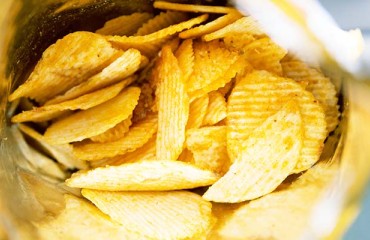
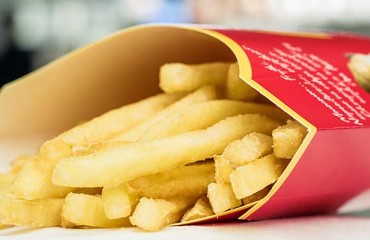
Philippines National Tax Research Center (NTRC) is pushing for the imposition of a 10% to 20% excise tax on 'junk food', which could result in an average of USD720m to USD1.4bn in annual government revenues and also discourage the consumption of unhealthy foods.
In its tax research journal Feasibility of Imposing a Junk Food Tax in the Philippines, the NTRC concluded that “the higher the tax rate, the higher the revenue that will be derived. Similarly, the higher the tax rate to be imposed, the higher the increase in product price,” NTRC said adding that higher prices will then lead to limiting consumption of junk food.
Moreover, the NTRC said that the rate needs to be at least 20% for the tax to have a significant impact on obesity and cardiovascular disease.
Aside from the tax rate, the NTRC also emphasized the importance of considering the type of tax that should be imposed, whether specific or ad valorem. The think tank pointed out that specific taxes are easy to administer and generate predictable revenues but require regular evaluation and adjustment so the collections could keep up with inflation. Taxing snacks, according to the research, could also prompt manufacturers to modify their products like lowering sodium content at a minimal just so these would not be covered by tax.
On the other hand, ad valorem excise taxes automatically adjust to inflation and have a larger impact on industry profits but they generate less predictable revenues. Under this scheme, manufacturers may cut their prices to maintain volume and generate wide gaps between cheap and expensive products. This setup, however, could encourage consumers to switch to cheaper products that could be just as harmful.