PepsiCo Pilots Flexible Power Contract to Decarbonise Dutch Chip Plant
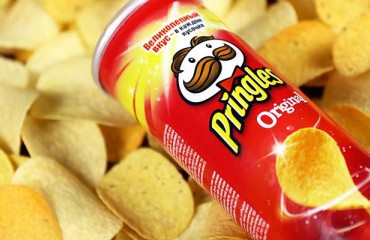
PepsiCo is set to electrify operations at its Broek op Langedijk chip factory in the Netherlands as part of a pilot project aimed at reducing CO₂ emissions and easing pressure on the country’s congested electricity grid.
Under a new flexibility agreement with Dutch grid operator Liander, the food company will only draw power for its thermal and storage installation when there is sufficient capacity on the grid. The system, supplied by energy company Eneco, converts renewable electricity into heat of up to 800°C. This heat is used directly to fry potato chips or stored in a container filled with iron slag material for later use.
Describing the installation, PepsiCo likened the unit to “a large hair dryer” that reverses airflow to release stored heat on demand. By replacing natural gas with sustainably generated electricity, PepsiCo expects to cut CO₂ emissions by more than 50% in the first phase compared to current levels.
“Access to flexible sustainable electricity is a very important prerequisite for us to be able to make production in our chip factory in Broek op Langedijk more sustainable,” said Japo Ouwerkerk, Director Corporate Affairs at PepsiCo Northern Europe.
The project is expected to be operational by autumn 2025.
A new model for industrial flexibility
The flexible power contract means PepsiCo is allocated grid capacity daily, outside peak demand hours. Instead of paying for a reserved capacity 24/7, the company will only be charged for electricity actually consumed.
Liander views the agreement as a blueprint for other industrial users in the Netherlands as grid operators tackle rising congestion. “The Netherlands needs industry. It is one of the engines of the economy,” said Joris de Groot, Chief Transition Officer at Alliander, Liander’s parent company. “The sector is facing major challenges such as a full electricity grid. It is important that we shape flexible electricity use with industry. I am therefore proud of the steps we are taking with PepsiCo and Eneco.”
The arrangement is part of a pilot phase for flexible grid contracts. If successful, the model could be scaled further across Dutch industry in 2025.