Mitolo Faces Workforce Shortage in Australia
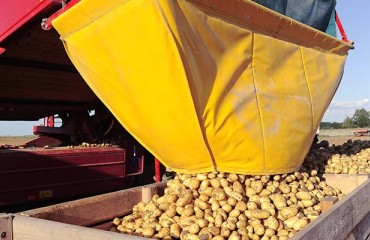
The recent ACCC (Australian Competition and Consumer Commission) approval and finalization of a takeover of Thomas Foods International’s potato business and a spike in demand through the coronavirus pandemic has cemented South Australia’s Mitolo Group as the nation’s largest fresh spud producer, reports InDaily.com.au.
The Virginia-based company, which also has potato and onion farms in the Riverland and Mallee regions of the state, is reporting a 10% increase in demand for its potatoes since the start of the pandemic in Australia. It began harvesting its first new season potatoes in the last week of October but is now facing a worker shortage due to a dwindling number of international backpackers in Australia, following the closure of borders in March.
Mitolo is looking to fill 60-100 jobs across the Riverland, Mallee and Adelaide Plains in the coming months, to coincide with harvest and has broadened its recruitment focus from backpackers to school leavers, the recently unemployed and university students looking for summer jobs.
Mitolo Group Managing Director and second-generation family member Frank Mitolo said strategies to attract more workers included securing affordable accommodation for them and offering incentives for remaining backpackers to bring their friends. “Getting enough accommodation at the right price is an issue so we are trying every angle at the moment as well as school leavers and people looking for summer jobs,” he said.
TFI, Australia’s largest 100% family-owned meat processing company, purchased potato producer Mondello Farms after the Virginia-based business went into administration in 2013 and grew the company under its Thomas Foods International Fresh Produce division.
South Australia grows 80% of Australia's washed potatoes with Mitolo now its biggest player. Like many primary producers, Mitolo has enjoyed strong demand for its products through the coronavirus pandemic.
“We’ve had a very good run through this whole COVID period and it’s probably been running about 10% above normal,” Mitolo said. “Being winter for most of it has probably helped but how that plays out when it all settles down we don’t really know yet, but we hope there is going to be some retention of that buying pattern. Prices have been steady. We had a pretty good summer season for growing and the crop was probably a bit above normal in terms of tonnage so we were able to fill the void quite well and there wasn’t any major shortage, which may have happened if production levels were normal or below average.”
Mitolo said early signs from this year’s harvest were that yields and potato sizes might be a little below average.
“They were badly affected by frost in June, which was probably one of the worst we’ve seen so that led to smaller sizes than normal and lower yields but there are still going to be enough potatoes around so there won’t be an issue with supply,” he said.