Horticultural Industry Demands Ballot on AHDB
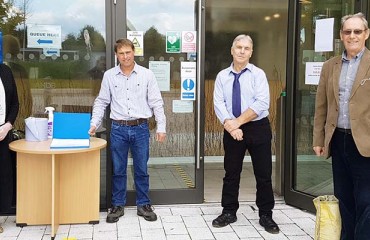
A number of 107 formal requests for a ballot on the continuation of the AHDB horticulture levy were officially handed to Ruth Ashfield, strategy director of AHDB Horticulture on Tuesday September 29. The move is the latest development in a campaign by grass-roots growers seeking to determine the true level of support for the levy body, which they claim is unnecessary, unhelpful and damaging to their business.
A poll of almost 2,000 horticulture and potato levy payers in July showed that 92% of growers felt current AHDB policies are of no, or marginal, benefit to their business, while 80% did not want to pay a statutory levy. Since the poll, AHDB has admitted that the top 50 horticultural levy payers typically pay between GBP50,000 and GBP200,000 a year to AHDB and that, overall, horticultural businesses pay a much higher levy in proportion to their business, compared to other sectors of agriculture which, unlike horticulture, are receive grants under the Common Agricultural Policy and its successor.
Vegetable grower and ballot co-organizer Peter Thorold comments: “We have repeatedly tried to engage with senior representatives of our industry and politicians, but despite the fact that our ballot achieved a response rate above 33% - well above the Department for Environment, Food & Rural Affairs' (DEFRA) requirement – there has been little recognition of the depth of feeling that exists among growers towards this outdated and undemocratic tax on their businesses."
Over the last six months AHDB has encouraged growers to use the existing legal procedures to trigger a formal ballot on the continuation of a compulsory levy. According to AHDB the 5% threshold for horticulture equated to just 67 levy-paying grower businesses in 2018. Under the rules of its establishment, AHDB is now required to organize a formal independent ballot, however, authorities are not bound by the results of any such ballot.
Flower grower and ballot co-organizer Simon Redden added: “Even though there is no legal requirement to bind ministers to the result of this formal ballot, it is inconceivable that the government would act in an undemocratic manner against the wishes of the most commercially exposed sector of British farming.”