The NEPG Ware Potato Cultivated Area Has Grown by 2 to 3%
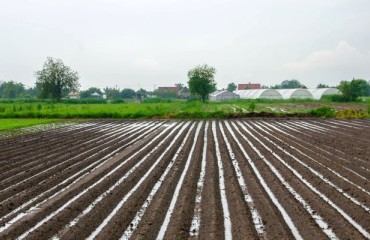
According to an initial estimate from the North-western European Potato Growers (NEPG) representatives, the area of ware potatoes has grown by 2 to 3%. This is a little more than the previous highest area, which was the UE-4's 522.000 ha in 2020.
Despite the high demand for processed potato goods, the challenging growing circumstances in this early season pose significant concerns for 2023 production.
The starch and seed area in the NEPG region is declining by more than 15.000 hectares, as anticipated in March. The majority of these hectares are presently used to cultivate processed potatoes. A few hectares of the table market have occasionally also been diverted to these marketplaces.
Both in the Netherlands and France, where numbers were reported last week, the seed area has decreased by about 2.500 ha. It is anticipated that seed area will decrease in Scotland, Germany, Belgium, Denmark, and the United Kingdom. In Northwestern Europe, if we lose 10.000 ha of seed this year, that might result in a loss of 100.000 ha of storage potatoes in 2024.
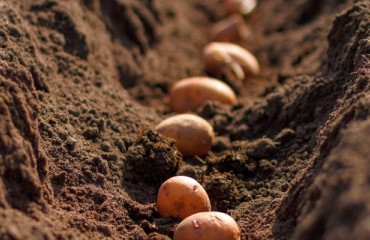
“Due to rain, planting activities were delayed in all Western European countries this spring. The main crops were planted from mid-April to early June with a peak in the second half of May. The current situation suggests a persistent lack of enough rainfall requiring irrigation where possible,” the latest NEPG report reveals.
Potato emergence and development have been impacted by elements relating to the seed, soil preparation, and/or environmental circumstances in addition to delayed planting. Most of the time, flowering and/or (lower) tuberization started earlier than usual. Although many growers are concerned about what they see in their ridges, it is still too early to determine what the impact will be on the amount and quality of production in 2023.
“In this context, demand for free buy potatoes continues in all Western European countries. Processors want to get the industrial raw material they need for the foreseeable end of the season. It seems that some processors were willing to accept almost any price for the last batches of the old crop without a contract. The truth is also that the supply of non-contractual processing material dried up at the end of June, beginning of July,” the NEPG analysts continued.
The aforementioned factors imply that (some) processors are thinking about prolonging scheduled holidays and maintenance before transitioning to the next harvest. However, factories that never cease are an exception. The first crops from the Rhineland, Lower Saxony, and Palatinate are not anticipated until week 29, and the first crops from West Flanders in Belgium, which are large enough and high in dry matter content, are most likely not expected until late July or early August (weeks 30 or 31).